Acceptance and feasibility of the feedback drive as safety measure for older drivers in Germany
Abstract
The increasing proportion of older drivers in Germany presents growing challenges for road safety and the maintenance of independent mobility. Although older adults are underrepresented in overall crash involvement, they are more often at fault in complex traffic situations. Conventional age-based screening approaches fail to account for the substantial interindividual variability in driving competence. This paper therefore examines feedback drives as a voluntary, non-punitive measure to support safe driving among older adults in Germany. Driving competence is assessed in situ within real traffic by experts, who subsequently provide individualised post-drive feedback. Two German studies with older drivers (65+, study 1 n = 178; study 2 n = 61) tested the feasibility and acceptance of this approach using a tablet-based evaluation tool. Although many participants demonstrated adequate driving competence, specific deficits frequently emerged in complex situations, such as intersections, lane changes, traffic observation, and speed adaptation. Within the sample, favourable acceptance was observed, with participants reporting a tendency towards increased self-reflection and a willingness to undergo repeated assessments. Overall, voluntary feedback drives offer a promising alternative to mandatory age-based screening by replacing rigid licensing restrictions with constructive professional guidance, thereby supporting compensatory strategies that safely prolong independent mobility. Although sample selectivity limits direct generalisations, these findings establish a solid foundation for future research evaluating the long-term impact and broader implementation of this measure.
1. Introduction
In recent years, the proportion of individuals aged 65 and older within the German population has increased significantly from 15 % in 1991 to 22 % in 2022 (Destatis, 2025), thereby drawing growing attention to their role in road traffic (Statistisches Bundesamt [Destatis], 2023). Despite their growing population share, they are underrepresented in crash involvement. However, in car crashes involving personal injury, they account for over 40% of cases (Destatis, 2023). This disparity is to some degree attributed to their increased physical vulnerability, which often results in more severe injuries compared to younger individuals in the event of a collision (frailty bias) (Kent et al., 2009; Uhr et al., 2016; Welsh et al., 2006). Among crash-involved drivers aged 65 to 74 years in Germany, more than two-thirds were deemed primarily at fault; among those aged 75 and older, the share rises to about three-quarters (Destatis, 2023).
Various studies have demonstrated that older drivers tend to experience particular difficulties in complex traffic situations, such as at intersections requiring time-critical decision-making (Kennter-Mabiala et al., 2016; Uhr et al., 2016). Typical causes of crashes among older drivers include failure to yield the right of way, as well as an increased incidence of errors when turning, reversing, or performing manoeuvres such as U-turns (Destatis, 2023). With increasing age, cognitive, sensory, and motor abilities tend to decline significantly. Sensory impairments are particularly evident in visual function, while cognitive deficits manifest in information processing and the perception of time, speed, and distance. Motor impairments are often characterised by reduced muscle strength and increased joint stiffness (Uhr et al., 2016). These natural ageing processes can impair driving performance. Additionally, age-related medical conditions—such as dementia, Parkinson’s disease, multiple sclerosis, mental health disorders, and cataracts—can further compromise road safety by increasing crash risk (Hertach et al., 2022; Uhr et al., 2016). However, age-related performance decline is neither linear nor universal (Karthaus et al., 2025; Schlag, 2008). One key reason for the substantial inter- and intraindividual variability in functional capacity lies in the ability to compensate for impairments (Karthaus et al., 2023). As such, a general driving ban based solely on chronological age would be overly simplistic and insufficiently nuanced.
There are currently no legal provisions in Germany that stipulate a mandatory assessment of the driving skills of older drivers. This contrasts with other European countries, such as Italy, Switzerland, and the Netherlands, where various assessments - such as vision tests or medical consultations - are employed to evaluate the driving competence of older adults and renew the driving licence (Fastenmeier & Gstalter, 2014; Hertach et al., 2022). However, several studies have demonstrated that measures such as vision screenings or psychometric tests—e.g. those assessing reaction time or concentration—are insufficient on their own to reliably predict the actual driving competence of older drivers (Hertach et al., 2022; Weller et al., 2014). As the inter-individual variance is very high, a generalised screening procedure would not sufficiently assess the driving competence. Fastenmeier and Gstalter (2014) also point out that observing driving behaviour in real traffic is therefore the best way of addressing the individual strengths and weaknesses of older drivers. Another advantage is that compensatory behaviour patterns of drivers can also be documented while driving.
Several international studies have demonstrated the substantial benefits of conducting driver training and providing feedback within real-world environments for older drivers. Marottoli et al. (2007) established that a combination of classroom-based educational strategies and practical, on-road training significantly enhances subsequent real-world driving performance. Furthermore, Bédard et al. (2008) confirmed that structured, standardised feedback delivered immediately following an on-road assessment leads to measurable and sustainable improvements in older drivers' behaviour. Moving beyond traditional instructor-led coaching, Libby et al. (2019) evaluated a real-time, app-based feedback system with mixed results. Whilst this digital intervention yielded immediate improvements in driving performance across all measured metrics - including speeding, harsh braking, and stop-sign infractions - post-intervention data revealed divergent long-term training effects. Specifically, whilst enhancements in braking and stop-sign compliance were successfully sustained after the feedback ceased, speeding behaviour deteriorated rapidly once active support was withdrawn. In the study from Poschadel et al. (2012), older drivers completed 15 supervised sessions on demanding routes featuring accident blackspots and challenging crossroads. Post-intervention, participants demonstrated significant improvements in driving competence effectively matching the skill levels of untrained, middle-aged drivers. These gains were sustained over a 12-month follow-up, with the most pronounced progress observed in individuals with the lowest baseline performance. However, the programme was very resource-intensive.
Building on the results of previous studies and the consideration, that observation in real traffic is the best way (Fastenmeier et al., 2014), an new measure for older drivers was discussed in Germany: feedback drives, as a way to assess and maintain driving competence of older drivers, (Brockmann, 2017). A feedback drive is characterized by the fact that driving competence is assessed by an expert - e. g. examiner, driving instructor - who provides individual feedback which is intended to encourage reflection on the drivers’ own driving competence and to support older drivers’ self-motivation to strive for changes. It is significantly more resource-efficient than conventional training programmes comprising several sessions. It is crucial that the results of the feedback drive are treated confidentially and cannot lead to the withdrawal of the driver's license. On the one hand, this should minimize the concerns associated with comparable assessment situations and increase the acceptance of the measure. On the other hand, the underlying rationale of the feedback drive is not to marginalise individuals with comparatively lower competences by restricting their independent participation in road traffic, but rather to facilitate the preservation of autonomous mobility for as long as possible.
In studies from Fastenmeier et al. (2023) and Schlag et al. (2019) the feedback drive was proven effective. Both evaluation studies involving two groups of older drivers. The feedback drives were conducted several weeks apart. One group received individual feedback immediately following the first trip, whereas the second group completed the trip without receiving any feedback. The group that received feedback demonstrated a significantly greater reduction in driving errors during the second trip compared to the group without feedback. Notably, improvements were observed in lane keeping, speed regulation, behaviour in situations requiring right-of-way decisions, and interactions with vulnerable road users. These findings provide clear evidence that a feedback drive can enhance the driving competence of older drivers.
Although prior studies have demonstrated the efficacy of driving feedback assessments, a standardised, resource-efficient, and digitally supported evaluation tool for practical application remains lacking. Furthermore, it remains unclear whether established assessment protocols, such as those designed for novice drivers, can be transferred to experienced older drivers, and to what extent such an intervention is accepted by the target population.
To address these research gaps, a sequential study design was implemented. In an initial pilot study (Study 1), the applicability of a novice driver assessment framework to older drivers was explored alongside the target group's general acceptance of the measure. Building upon these empirical insights, the underlying framework and materials were subsequently refined, culminating in the development of the adapted 'elFE' instrument. Study 2 was then conducted to test the practical implementation of this revised feedback drive concept.
Specifically, the present paper addresses the following research questions:
RQ1: How reliably and feasibly can older drivers' driving competence be assessed in real-world traffic through expert evaluation and self-assessment?
RQ2: How is older drivers' driving competence characterised in terms of their key strengths, weaknesses, and typical driving errors?
RQ3: How do older drivers and experts evaluate the feedback drive method regarding its acceptance, satisfaction, and utility?
2. Study 1 - Pilot Study on Feasibility and Acceptance of the feedback drive
As an initial pilot investigation, Study 1 exploratively addresses the three overarching research questions (RQ1–RQ3). Specifically, it aims to assess whether the existing evaluation protocol, initially designed for novice drivers, can be effectively utilised to measure the driving competence of older drivers. By applying this framework, Study 1 gathers preliminary data to evaluate the reliability of the assessment method (RQ1), to identify characteristic patterns in the driving behaviour of the elderly participants (RQ2), and to gauge the overall acceptance of, and satisfaction with, the feedback drive (RQ3).
2.1 Methodology
2.1.1 Participants
A number of 188 drivers, aged 65 years and older, took part in the study. They were recruited via adverts in daily newspapers as well as posters and flyers. However, we could only use the data of 178 participants for the analysis. Data from 10 participants were excluded owing to incomplete information e. g. incomplete questionnaire data.
On average they were 71.6 years old (SD = 5.5; min = 65 years; max = 89 years) and predominantly men (73.6 %). The majority of drivers had a university degree (62.1 %), lived in an urban area (80.2 %) and almost all were main users of their car (91.0 %). The majority of older drivers rated their state of health as good (73.0 %) or even very good (2.8 %).
On average, they had held their driving licence for 48.4 years, with their yearly mileage amounting to 8,949 km (SD = 7,417). In addition, the car was most frequently used by older drivers in the last week before the feedback drive for leisure trips (35.8 %) and visits to friends and relatives (32.5 %). The final third of their trips was accounted for by hobbies, running errands, doctor visits, and job-related purposes.
Most older drivers reported that they read journals about cars or motorised traffic (57.9 %) and had undergone a health or medication check-up (46.1 %). A smaller proportion of older drivers had taken part in a training course/seminar for knowledge refresh (19.1%) or a practical driving training (10.7%) in the last two years.
2.1.2 Material
In recent years, a tablet-based evaluation system - the digital test protocol - was developed for the evaluation of the driving competence of novice drivers in the practical driving licence test (see Figure 1). The theoretical basis is the driving task catalogue for driving licence candidates (Sturzbecher et al., 2014). This catalogue comprises eight driving tasks with diverse sub-driving tasks (e.g. approaching and navigating curves, crossing intersections or junctions, turning right or left) and five associated competence domains (e.g. traffic observation, speed adaptation, see Table 1), as well as defined criteria for evaluating task performance (Sturzbecher et al., 2016; Sturzbecher et al., 2014). The driving tasks are assessed across the five areas of competence using a matrix in the digital test protocol (see Figure 1).
| Driving tasks | Competence domains |
|---|---|
|
|
The evaluation criteria are structured into five levels: above-average performance, normal performance, minor errors, serious errors, and endangerment of traffic safety (hazard), the last of which results in failure of the driving test. Above-average performance significantly exceeds reference standards through proactive hazard anticipation and the swift, reliable mitigation of critical situations. Conversely, minor errors, entail a low baseline risk and involve minor non-compliance or suboptimal execution, such as unnecessary crossing of the carriageway boundary line. Serious errors introduce a substantial potential risk to road safety, exemplified by omitting a mirror check before a changing lane which results in inadequate traffic observation. Finally, a hazard constitutes an imminent, high-consequence danger, such as a right-of-way violation that forces another road user to brake or swerve sharply. However, instances of normal performance were not specifically documented, as they represent the expected baseline; the focus was instead placed on documenting both positive and negative deviations from this standard. In the present study the methodological approach for novice drivers should also be applied to older drivers. To assess the driving competence of the older drivers, the digital test protocol was employed.
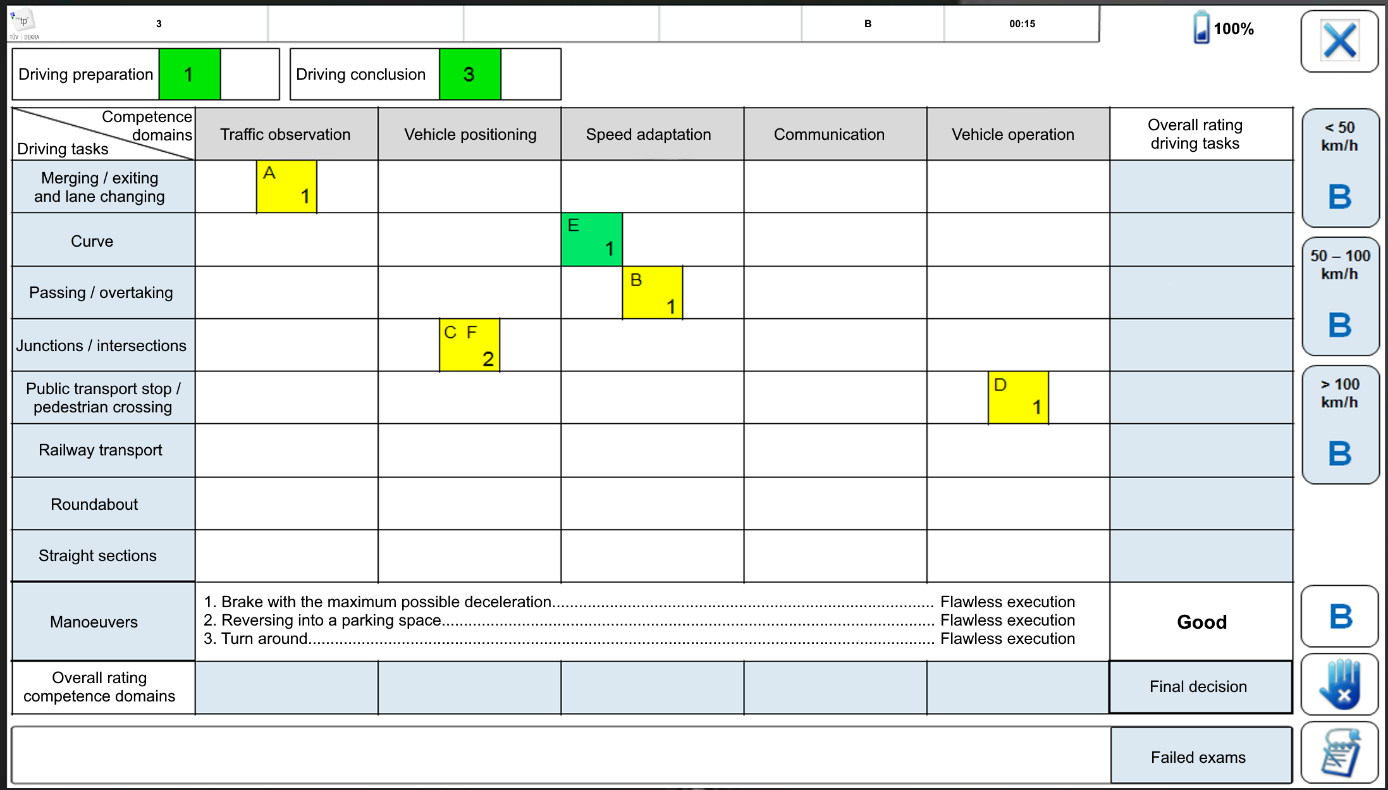
In addition, several questionnaires were applied: two for the participants and two for the examiners. The participants pre-drive questionnaire contained questions regarding demographics, participants’ state of health, driving competence, crash involvement and related topics. The post-drive questionnaire asked participants about the acceptance and implementation of the measure. In addition to assessing the general acceptance of the feedback drive (Schleinitz et al., 2018), the questionnaire captured several specific variables. These included the participants' perceived suitability of the feedback drive in comparison to alternative measures (e.g., driver training or health checks), their explicit intention to use such measures in the future, and their level of satisfaction with the practical implementation (e.g., the perceived usefulness of the examiner’s recommendations).
The examiners completed one questionnaire following each feedback drive with questions on the participant’s driving competence and circumstances of the drive. Upon completion of the entire study, the examiners were invited to propose improvements for the feedback drive and the digital test protocol.
2.1.3 Procedure
For the feedback drive, participants used their own vehicles in order to capture a realistic representation of their driving skills within a familiar context and to avoid any potential uncertainty associated with adapting to an unfamiliar car. The average duration of each on-road test was 46.0 minutes (min = 40, max = 50, SD = 2.6) and they took place within the urban areas of Berlin, Leipzig, and Dresden.
Due to the multi-site implementation across different cities, a single standardised route could not be defined. Nevertheless, all routes incorporated equivalent elements and included driving in urban areas, on rural roads, and on motorways. This approach is consistent with the structure of the practical driving licence test in Germany.
Driving competence was assessed by experienced examiners whose expertise in administering practical tests to novice drivers ensured the necessary assessment quality. Observations regarding driving performance during the on-road test were documented by the examiner using the digital test protocol of the practical driving licence test. Following the feedback drive, the examiner provided a comprehensive feedback based on the documentation in the digital test protocol.
To minimise the influence of traffic density on the performance of older drivers, appointments during peak traffic hours were explicitly avoided.
2.2 Results
2.2.1 Assessment of driving competence
The majority of older drivers evaluated their abilities (driving competence) as being good (see Figure 2, left). Approximately half of the participants reported perceiving their driving competence to be comparable to that of other car drivers within their age cohort. Moreover, over 40% indicated that they considered their driving competence to be superior to that of their age group (see Figure 2, right).
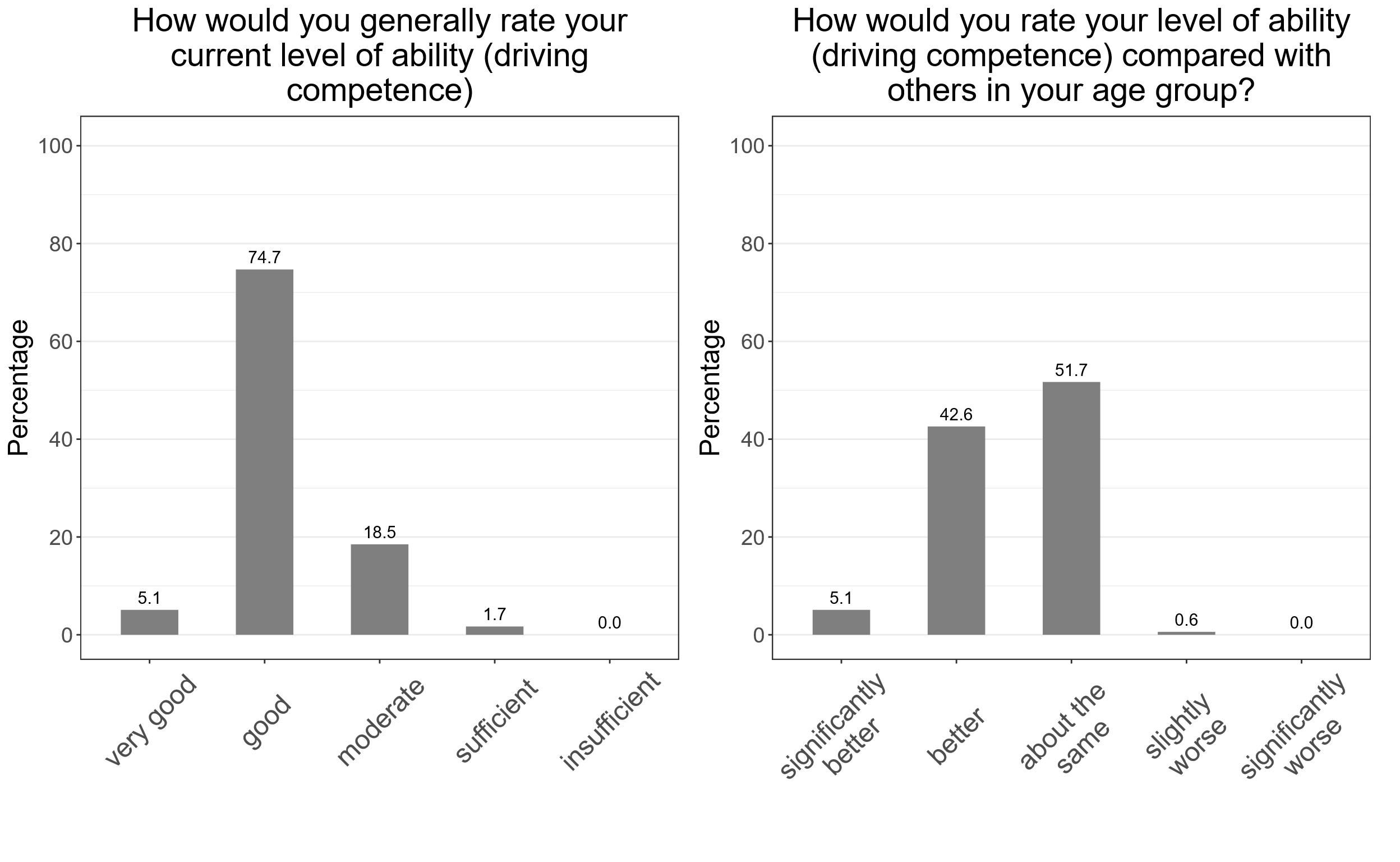
This positive self-assessment is largely consistent with the evaluations made by the experts following the feedback drive. According to the experts, 94.3% of the older drivers could, in general, be certified as participating in road traffic in a fundamentally safe manner. However, these statements do not imply that their driving was entirely free of errors. Only a small proportion (5.7%) were classified as less safe drivers.
2.2.2 Characterisation of driving competence
The above-average performances were considered separately from the errors observed. In total, 237 entries relating to above-average performances were recorded. Among 153 participants, no above-average performances were recorded. Of the remaining participants, 60 % demonstrated between one and ten above-average ratings, while a further third achieved between eleven and fifteen such ratings. The highest number of above-average performances observed for an individual participant was twenty-four.
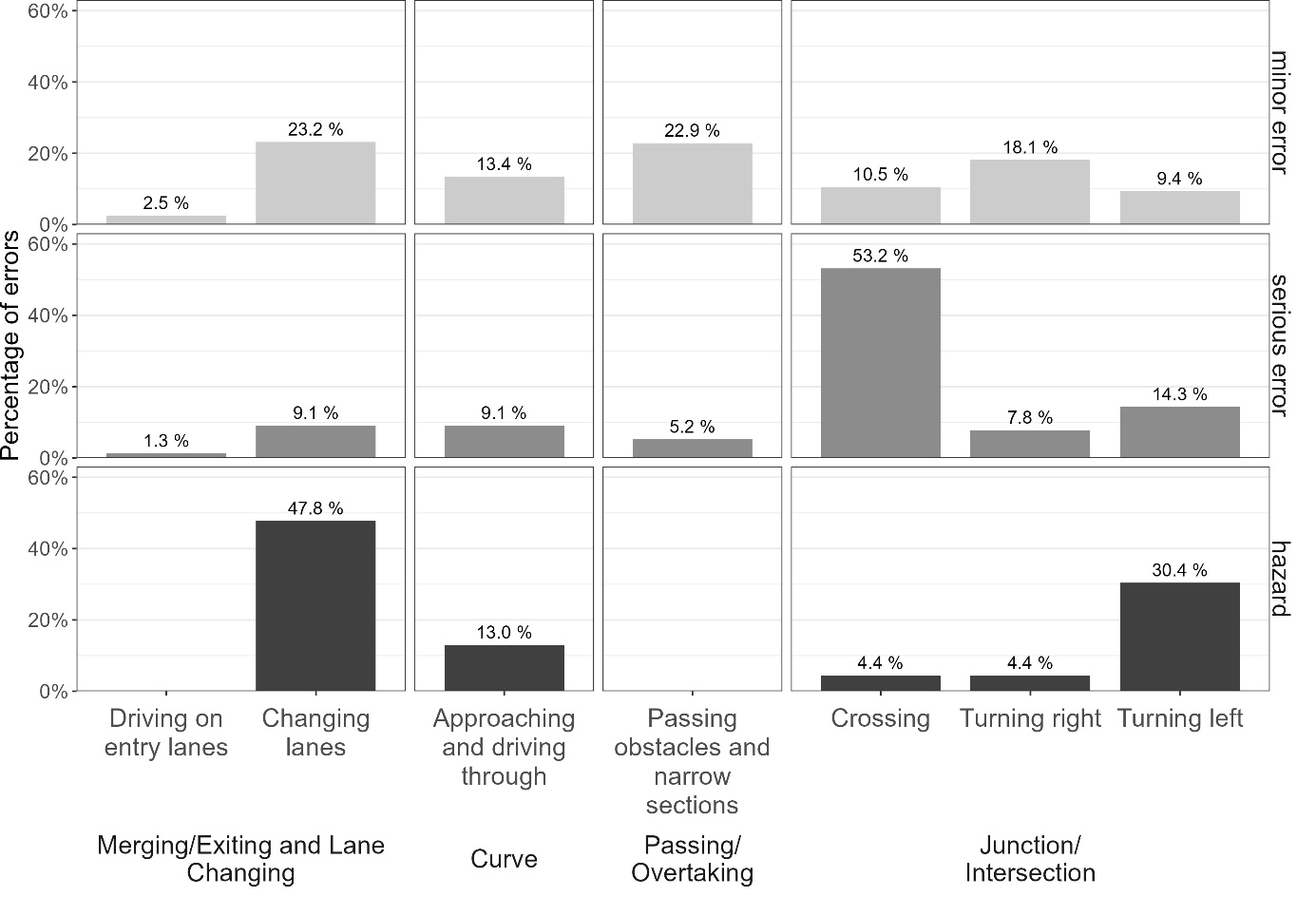
Observations by the examiners revealed that older drivers primarily experienced difficulties in intersection areas (see Figure 3). Traffic hazards at intersections and junctions occurred predominantly when turning left (30.4 %), but were also recorded during right turns (4.4 %) and when crossing intersections (4.4 %). In addition, 14.3 % of serious errors were observed during left turns; while right turns appeared to be somewhat less problematic, they were nevertheless associated primarily with minor errors. Crossing manoeuvres accounted for approximately half of all serious errors and slightly more than 10.5 % of minor errors. Furthermore, nearly 50% of traffic hazards and 23.2 % of minor errors were recorded during lane-change manoeuvres. Approaching curves also gave rise to a number of traffic hazards (13.0 %), and a notably high frequency of minor errors was observed when passing obstacles (22.9 %).
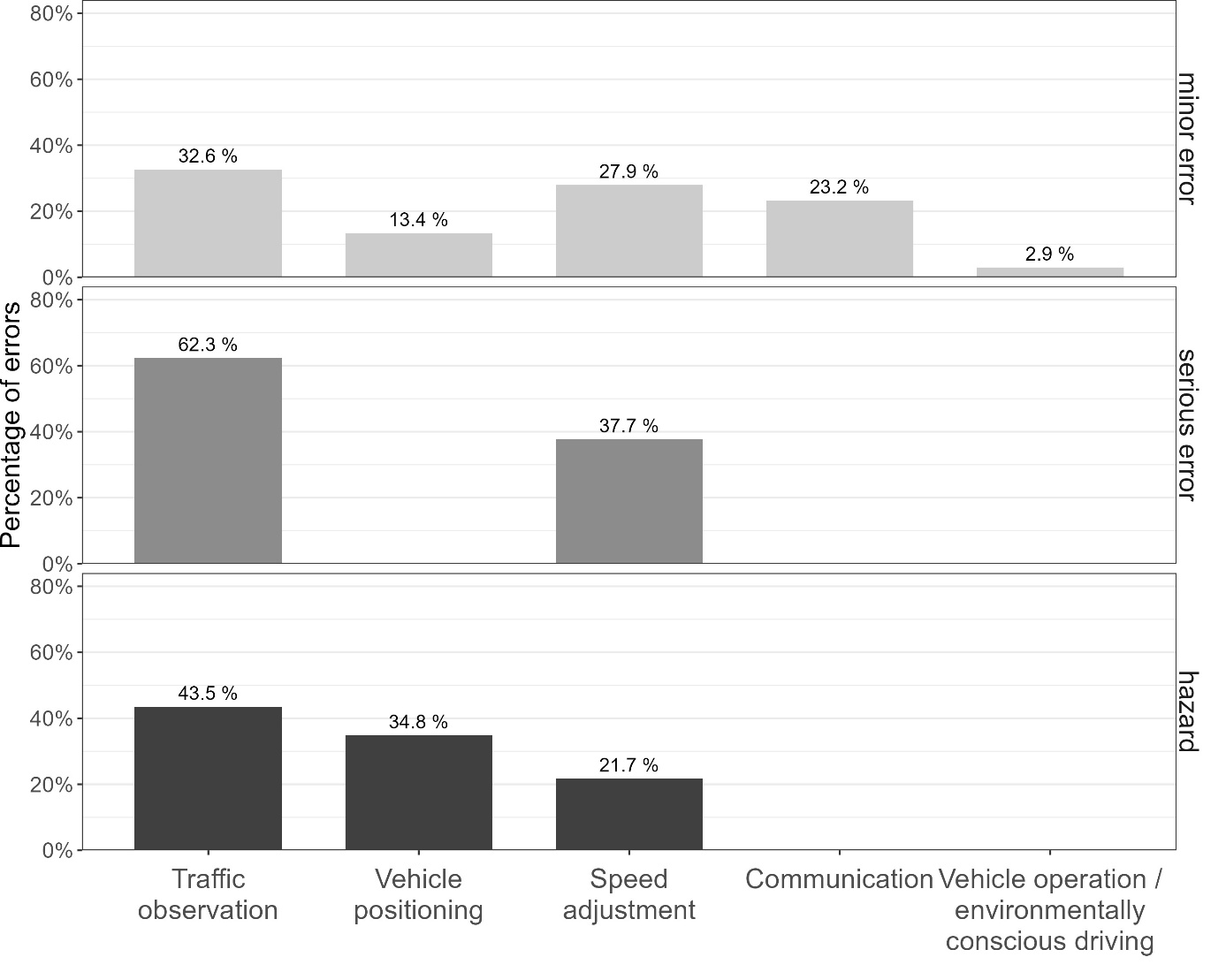
Overall, it was notable that older drivers primarily had problems in traffic observation and in adapting their speed (see Figure 4). Forty-four percent of traffic hazards, 62.3 % of serious errors, and one-third of minor errors resulted from deficiencies in traffic observation. In total, in one-fifth of the situations observed, a hazard attributable to inappropriate speed adaptation was recorded and documented. Moreover, 37.7 % of serious errors were registered in this competence domain. Minor errors were also noted by the experts in relation to communication with other road users (23.2 %), as well as in vehicle positioning (13.4 %).
For all 178 drivers, combinations of driving tasks and competence domains were analysed, with the most frequent errors identified. Traffic observation errors during lane changes accounted for the largest share of hazardous incidents (n = 10; 43.5 %). Additional hazards occurred in vehicle positioning at junctions regulated by priority signs (n = 4; 17.4 %) and at signal-controlled junctions (n = 3; 13.0 %).
Serious errors were most often recorded in traffic observation (n = 28; 36.4 %) and speed adjustment (n = 10; 13.0 %) when crossing intersections of equal rank. Minor errors were most frequent in traffic observation when turning right at signal-controlled intersections (n = 31; 11.2 %) and in speed adjustment on curves (n = 26; 9.4 %). Passing obstacles without traffic sign regulation also proved problematic, particularly in communication (n = 25; 9.1 %) and traffic observation (n = 21; 7.6 %). Communication (n = 24; 8.7 %) and speed adjustment (n = 19; 6.9 %) during lane changes were likewise deficient.
2.2.3 Acceptance and evaluation of the feedback drive
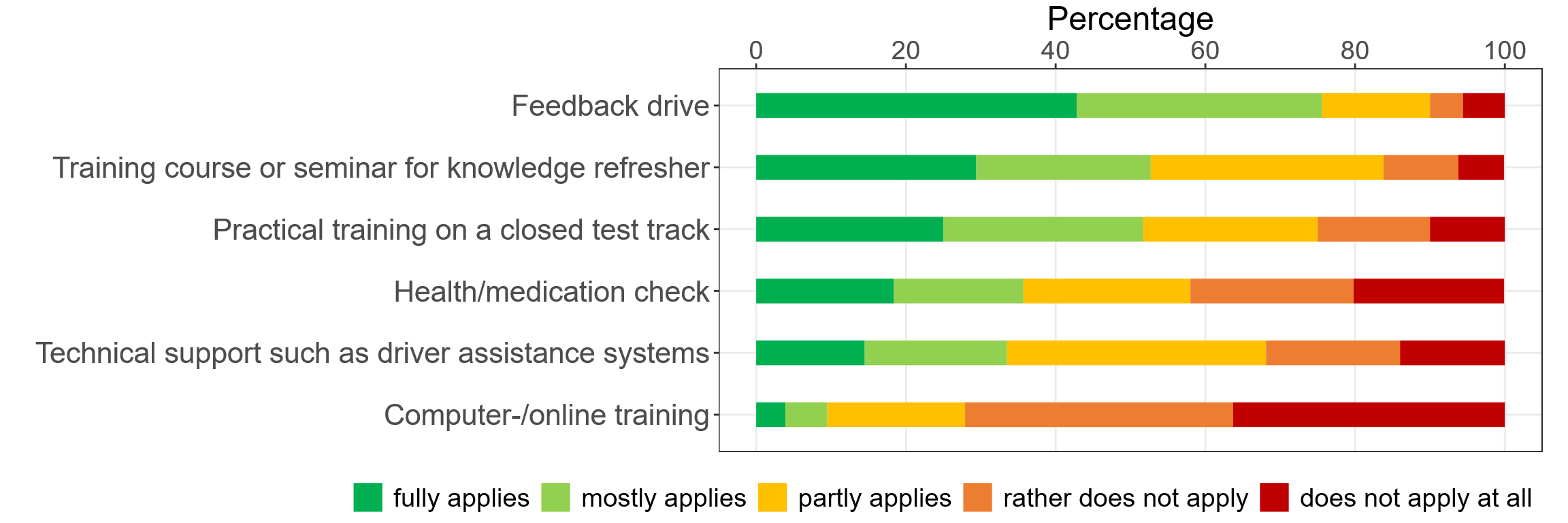
Approximately 75% of the participants agreed that the feedback drive is an optimal measure for maintaining motorised mobility, followed by training courses and practical training on a test track (Figure 5). Online options, by contrast, were perceived as less suitable.
Subsequently, participants were asked whether they would make use of one or more of the measures mentioned. Almost all indicated that they would utilise at least one of the measures (88.8 %). A small proportion stated that they would do so only under certain conditions (3.4 %), such as free participation or when purchasing a new vehicle. A minority of older drivers reported that they would not take advantage of any of the measures offered (7.9 %).
Specifically, participants were additionally asked whether they would be willing to engage in a feedback drive in the future. More than 90% expressed a readiness to do so. With the exception of one older driver, all reported perceiving the examiner’s explanations and recommendations as beneficial.
3. Study 2 – Feasibility and acceptance of the revised feedback drive concept
Building directly upon the insights gained from Study 1, which demonstrated that the evaluation framework for novice drivers cannot be seamlessly transferred to experienced older drivers, Study 2 introduces a refined feedback drive concept. To ensure a more reliable, equitable, and age-appropriate evaluation, the driving task catalogue was specifically adapted, and a dedicated tablet-based evaluation system - the electronic driving competence assessment for older drivers (elFE) - was developed (see Table 2). Parallel to these evaluative modifications, Study 2 established standardised guidelines for the feedback discussion and introduced structured recommendations for supportive measures to ensure operational consistency across all examiners. This reflective framework is designed to foster drivers' awareness of their individual strengths and weaknesses, thereby encouraging the development of tailored coping strategies while actively reinforcing existing competencies (Schlag et al., 2019).
To systematically evaluate this enhanced approach, Study 2 addresses the exact same three overarching research questions (RQ1–RQ3) established in the Introduction. Specifically, it examines how the newly integrated elFE system and age-adjusted criteria enhance the reliability and feasibility of the assessment (RQ1), investigates whether these methodological refinements yield a more precise characterisation of older drivers' on-road behaviour (RQ2), and evaluates how both participants and examiners perceive and accept the revised, structured feedback framework (RQ3).
3.1 Methodology
3.1.1 Participants
A total of 72 participants were recruited for the study, of whom 61 provided complete datasets that could be included in the analysis. Data from 11 participants were excluded due to missing information—for example, failure to complete the follow-up questionnaire or provision of implausible responses.
On average, participants were 72.9 years old (SD = 5.5; min = 65 years, max = 87 years). Approximately two-thirds of the sample were male (65.6 %). The majority of participants rated their health status as good (70.5 %) or even very good (16.4 %). The majority of drivers were graduates (62.3 %), lived in an urban area (73.8 %) and almost all were main users of their car (90.2 %).
The participants had held their driving licence for an average of 52.6 years, reporting a mean annual mileage of 10,345 km (SD = 6,240). Consistent with Study 1, elderly drivers predominantly utilised their vehicles in the last week before the feedback drive for leisure activities (41.6%) and visiting friends and relatives (24.4%). The remaining third of all trips comprised hobby-related travel, running errands, medical appointments, and work-related commuting.
3.1.2 Material
To assess driving competence, the tablet-based assessment system elFE was employed. This system is derived from the digital test protocol utilised in the practical driving licence test (Sturzbecher et al., 2014) and is grounded in the task catalogue for driving licence candidates (see Study 1).
The catalogue for novice drivers was reviewed and changed for the examination of older drivers. Regardless of these changes, the catalogue still comprises the eight driving tasks (e.g. approaching and navigating curves, crossing intersections or junctions, turning right or left) and the five associated competence domains (e.g. traffic observation, speed adaptation, see Table 1). Driving competence was assessed according to five evaluation criteria, ranging from “above-average driving performance” to “hazard”, each tailored to the specific aims of the feedback drive. However, the evaluation criteria for driving competence were modified specifically for older drivers in recognition of their many years of driving experience. Since the primary objective of the feedback drive is to assess overall, practical driving competence rather than strict adherence to formal examination standards, minor deviations were weighted differently. This approach ensures that the assessment evaluates realistic, long-term driving safety rather than rigid compliance with novice testing protocols. For example, exceeding the speed limit was assessed less strictly. A violation of 5 km/h in urban areas was classified only as a minor error, whereas for novice drivers it would have been considered a major error. As in study 1 normal performance was not specifically recorded.
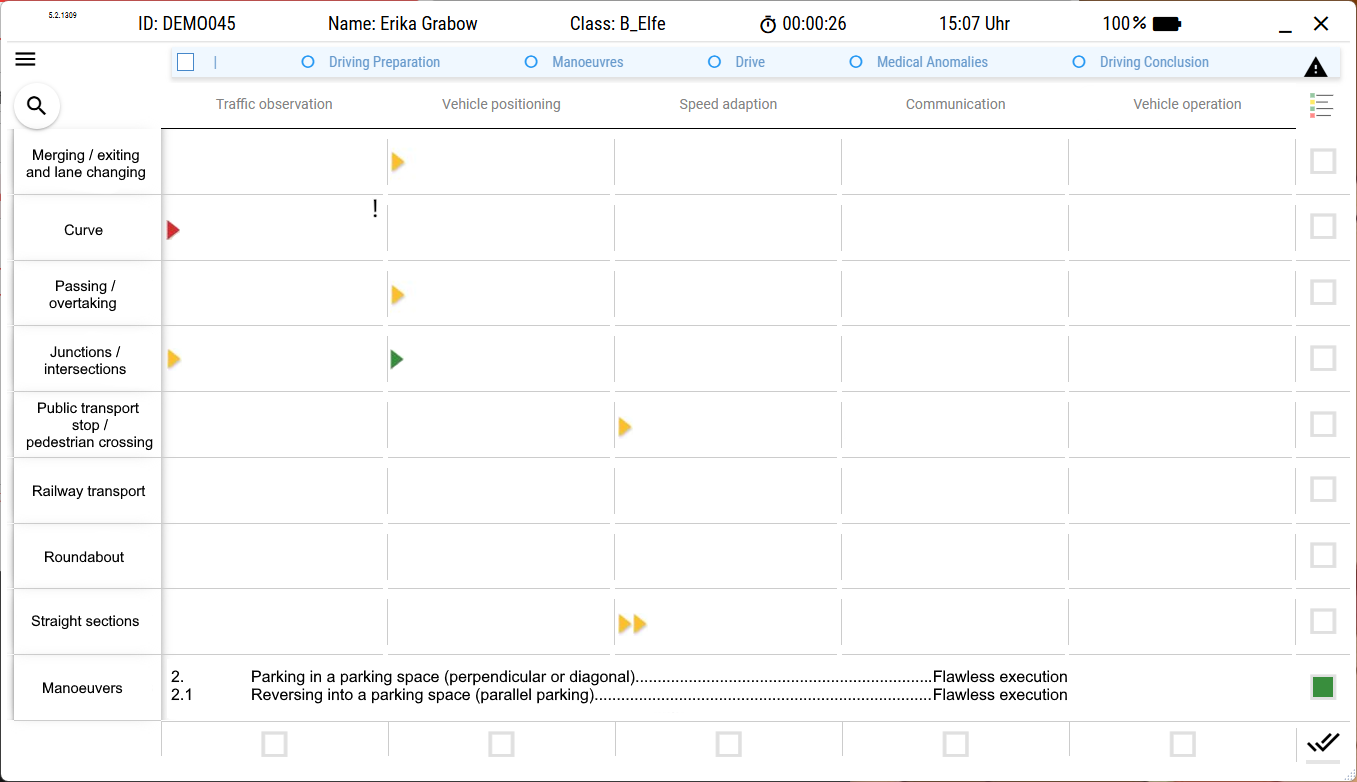
Based on the digital test protocol, elFE give further documentation opportunities (Figure 6). In addition to the actual driving performance, preparatory actions (such as fastening the seatbelt, adjusting the seat, closing the door, and performing a safety check) and concluding actions (e.g. securing the vehicle against rolling, observing traffic before and during door opening) are now also documented. Examiners should also make a rough assessment of the driver’s state of health and, if they notice any sensory or motor impairments, document these as well. Furthermore, the examiner is given the opportunity to document any particularly conspicuous driving behaviour separately.
Prior to the feedback drive, participants completed an online questionnaire - or, optionally, a paper-based version - on their driving behaviour. Following the drive, they reported on their experiences and perceptions e. g. acceptance of a feedback drive with the Van der Laan acceptance scale (Van der Laan et al., 1997). The ten participating examiners completed a brief online questionnaire after each drive to provide insights into implementation and identify potential improvements to elFE. Upon completion of all drives, they took part in a final telephone interview.
3.1.3 Procedure
This study was conducted to evaluate the new implementation of the feedback drive. Prior to the start of the drive, the examiner received the specialised training aimed at strengthening and expanding their skills in the systematic assessment and feedback of older drivers’ driving competence and how to issue recommendations for specific supportive measures. The training covered age-related impairments as well as the use of elFE,
Participants drove their own car to ensure a realistic reflection of their driving skills in a familiar setting and to minimise any uncertainty arising from adapting to an unfamiliar car. The average duration of each drive was 44.0 minutes (min = 40, max = 48, SD = 2.5) and they took place in 10 different cities in Germany.
Comparable to study 1, all routes incorporated equivalent elements and included driving in urban areas, on rural roads, and on motorways. Moreover, examiners are advised to select routes incorporating elements that are known to be demanding for older drivers, for instance, complex intersections or situations requiring rapid decision-making.
The assessment of driving competence was carried out by examiners. At the end of the drive they gave thorough and individualised feedback and specific recommendations aimed at enhancing the driver’s competence. Study 2 implemented a structured, three-part framework comprising: (1) participant self-assessment of their driving competence, (2) examiner feedback regarding performance during the drive, and (3) targeted recommendations for performance enhancement. Based on predefined error thresholds derived from Study 1, or specific medical concerns, the examiner may ultimately recommend supportive measures (e.g., psychological consultations, driving lessons, or assistance systems) to help maintain the individual's driving competence. Following this, the driver is asked what they could improve upon in future.
In addition, a dedicated feedback form available within elFE was handed to the older drivers for their reference.
For a comprehensive overview of the differences between study 1 and study 2 see Table 2.
| Study 1 | Study 2 |
|---|---|
|
|
3.2 Results
3.2.1 Assessment of driving competence
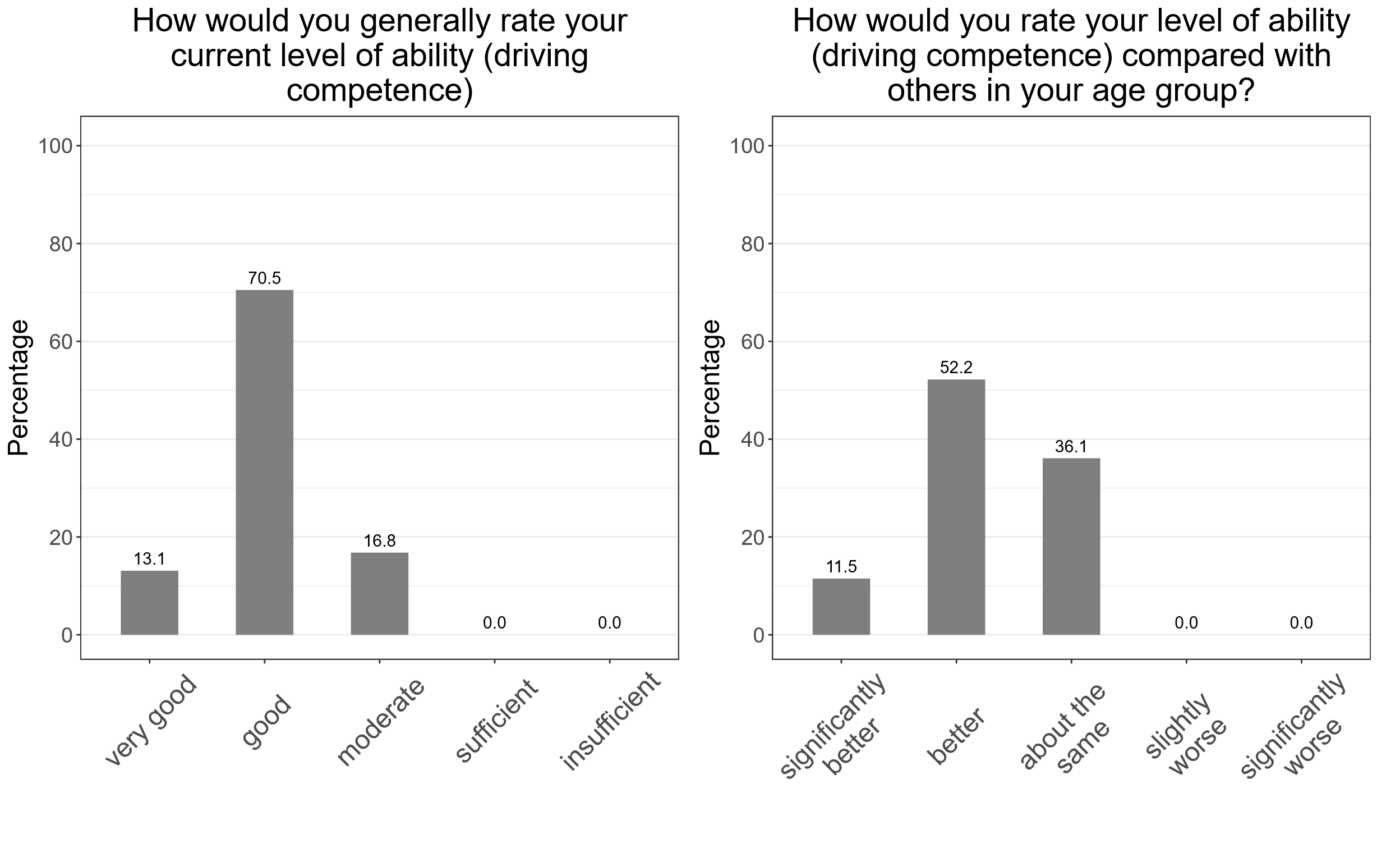
Prior to participating in the feedback drive, a majority of the older participants—70.5 %—rated their own driving competence as “good” (see Figure 7, left). Notably, none of the individuals assessed their driving skills as “sufficient” or “insufficient”. Additionally, 63.7 % of participants perceived their level of driving competence to be “significantly better” or “somewhat better” compared to other drivers in their age group (see Figure 7, right).
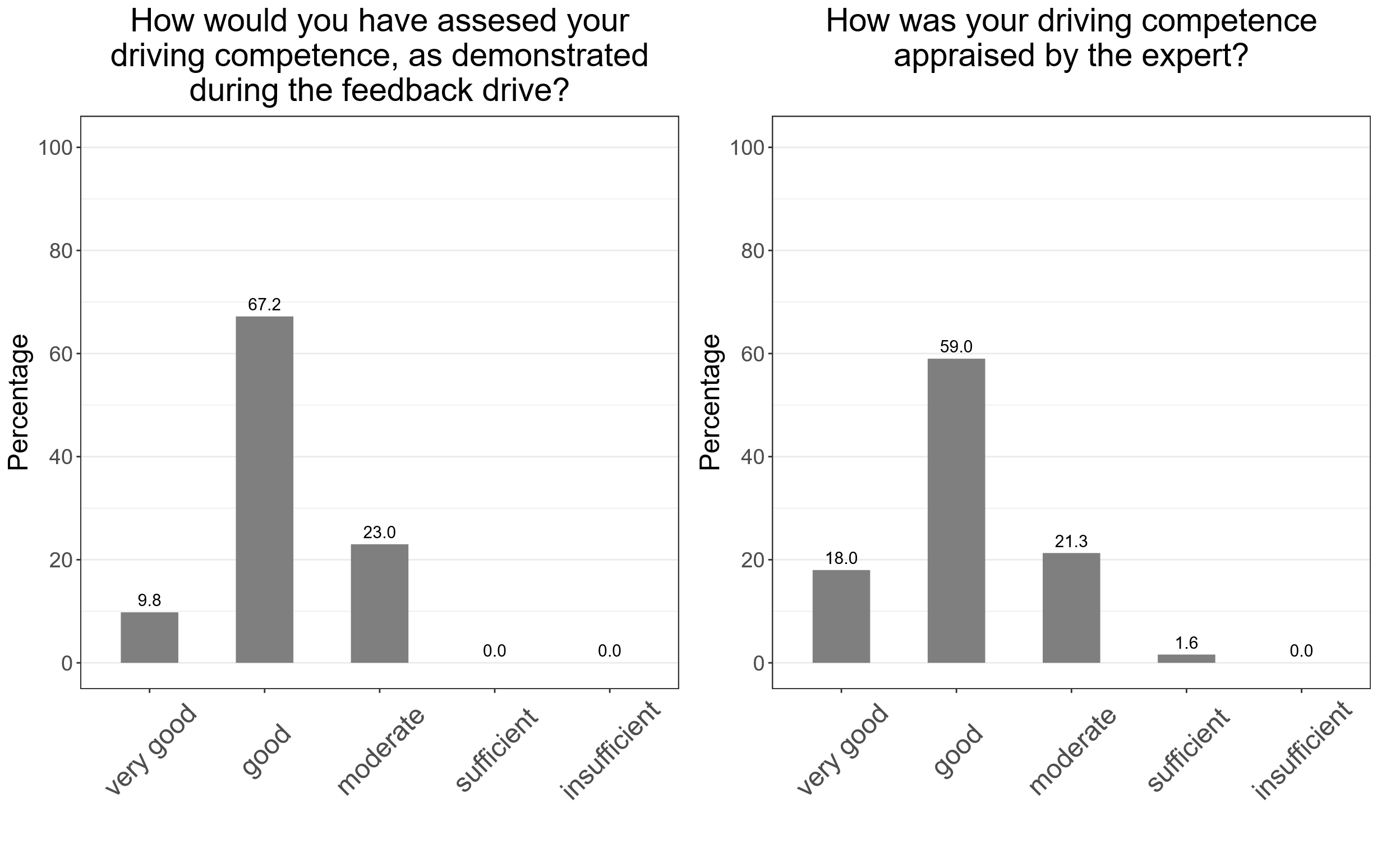
Following the feedback drive, participants evaluated the driving competence they had displayed during the assessment (Figure 8 left). Overall, 77.0 % rated their performance as “very good” or “good”, with no ratings of “poor” or “very poor”. This was slightly less favourable than their pre-drive self-assessments, in which 83.6 % had rated their overall driving competence as “good” or “very good”.
Participants also reported how the examiner had assessed their competence during the feedback discussion (Figure 8, right). Here, 77.0 % indicated that the examiner had rated them as “very good” or “good”, closely aligning with their own evaluations. One participant reported a “poor” rating from the examiner. Notably, the examiner rated more participants as “very good” (18.0 %) than participants had rated themselves (9.8 %). Overall, self- and external assessments were broadly consistent.
In 32.8 % of cases, the examiner reported immediately after the feedback drive that the participant would have passed the practical driving licence test. Moreover, in a total of 86.9 % of cases, the examiner considered it justifiable to certify that the participant possessed a sufficiently safe level of driving competence for participation in road traffic.
3.2.2 Characterisation of driving competence
In total, only 12 entries were made for above-average performance. No above-average driving competence was noted for 51 individuals.
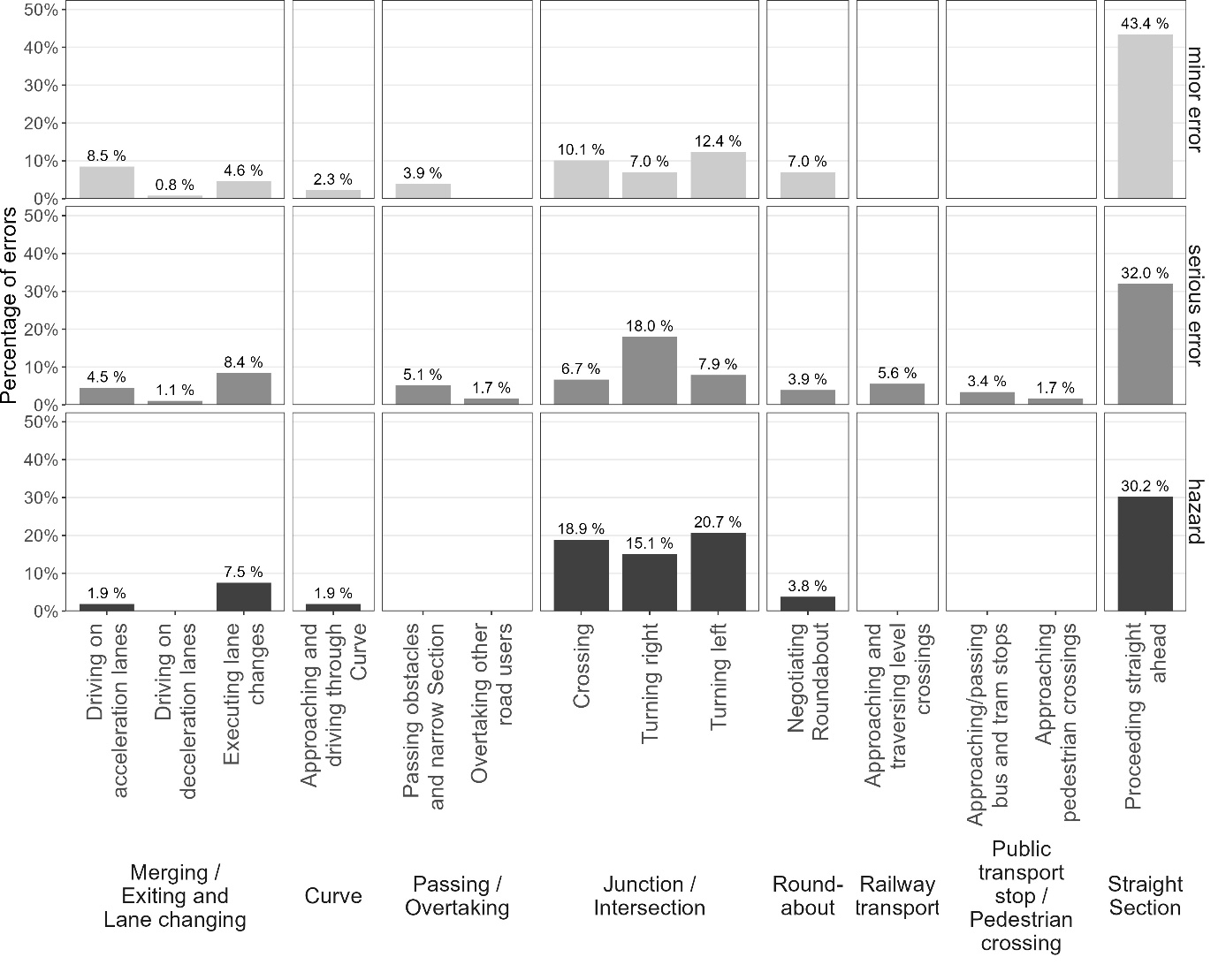
According to examiners observations, older drivers most frequently committed errors when driving straight ahead, accounting for 30.0 % of all hazards, 32.0 % of serious errors, and 43.4 % of deviations in driving competence (Figure 9). Hazards also occurred commonly when crossing intersections (19.6 %) and turning left (21.6 %). Serious errors were concentrated at intersections and junctions, particularly when turning right (18.0 %), and during lane changes (8.4 %). Minor errors were most frequent in complex situations such as turning left (12.4 %) and crossing intersections (10.0 %).
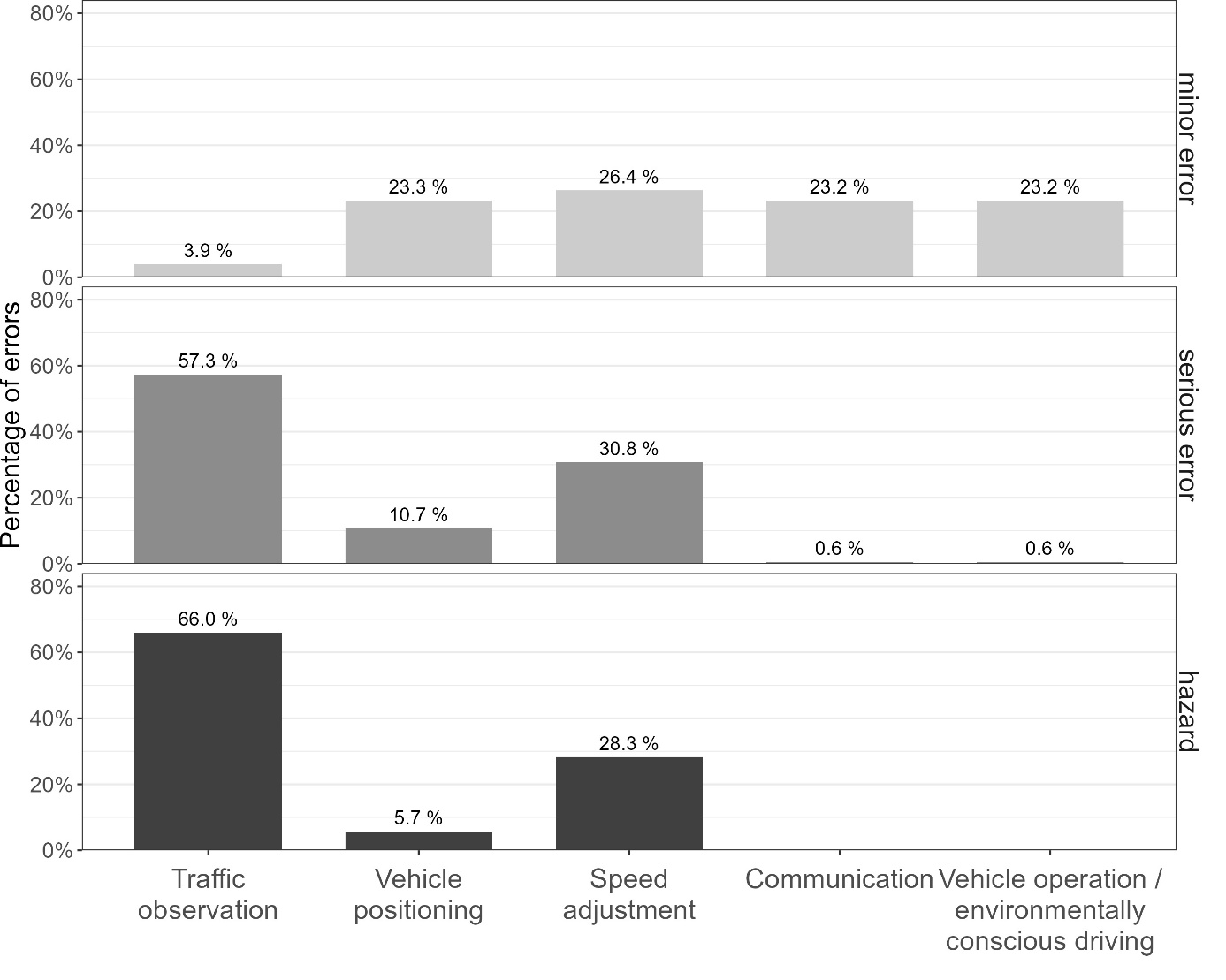
Overall, serious errors and hazards were most frequently associated with traffic observation and speed adjustment (Figure 10). Approximately two-thirds of serious errors (57.3 %) and hazards (66.0 %) resulted from deficiencies in traffic observation. In the competence domains of communication and vehicle operation/environmentally conscious driving, only one serious error and no hazards were recorded. For deviations in driving behaviour, however, these domains each accounted for 23.2 %, representing an above-average proportion.
An analysis of error combinations by driving task and competence domain showed that speed adjustment errors during straight-ahead driving accounted for 26.4 % of all very serious errors. Very serious traffic observation errors occurred most frequently when turning right at uncontrolled junctions (“priority to the right”), crossing junctions regulated by traffic signs (n = 5) or priority-to-the-right (n = 4), and when turning left or right at signal-controlled junctions (n = 3 each). Nearly one-quarter of serious errors involved speed adjustment during straight-ahead driving (n = 41). Serious traffic observation errors were concentrated in right turns at traffic sign–controlled junctions (n = 18; 10.1 % of all serious errors) and during lane changes (n = 15; 8.4 %). Deviations in driving competence were most frequent in straight-ahead driving within the domains of vehicle operation (n = 25; 19.8 %) and speed adjustment (n = 20; 15.9 %).
The examiners were also asked which recommendations they would make. Recommendations were made for 26 participants. The most frequently mentioned aspects were that the participant should improve their traffic observation skills (30.8 %), their speed adaptation (23.6 %), or their capacity for self-reflection (19.2 %). In addition, some examiners provided general remarks e. g. a calmer driving style, requires an explanation of the vehicle’s driver assistance systems (26.8 %).
Furthermore, the examiners were invited to provide any additional comments they deemed relevant for correctly interpreting the results of the individual feedback drives. In these responses (n = 24), several examiners noted that the participants were fit and active drivers (20.8 %), that they have a sound awareness of their own errors (12.5 %), and that their overall driving performance was very good (12.5 %). Everything else were individual comments on the respective feedback drive.
Almost all participants (98.4 %) stated that the examiner was able to explain their assessment on the basis of specific situations. A total of 93.4 % reported that they were able to recall these specific situations during the feedback discussion. Just over half of the participants indicated that the examiner had provided them with recommendations for undertaking further measures. Of these, 97.1 % found the recommendations to be helpful. Moreover, 14.8 % reported that they had previously received similar feedback from individuals within their family or peer group.
3.2.3 Acceptance and evaluation of the revised concept of the feedback drive
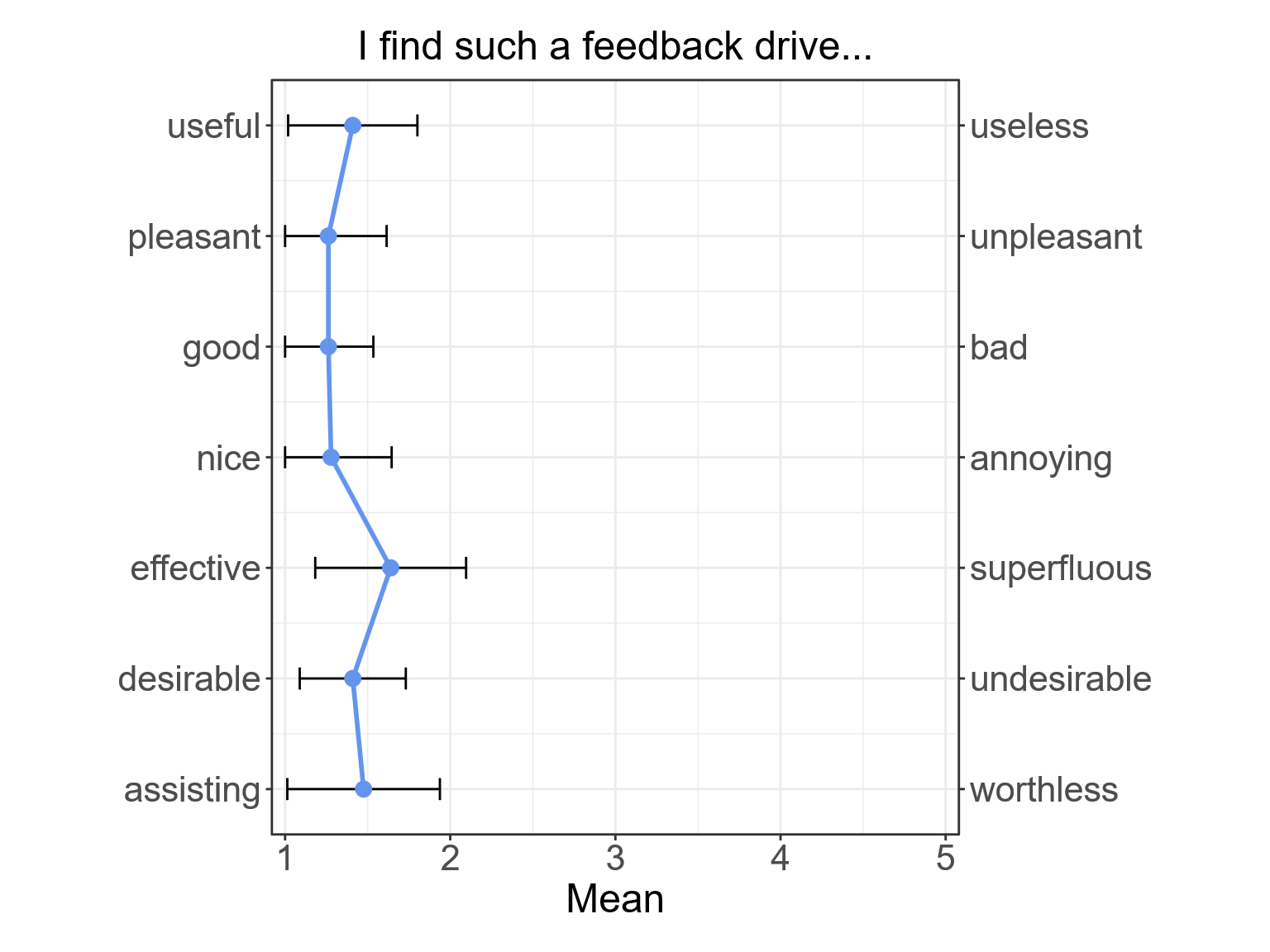
Older drivers evaluated the feedback drive using the adjective pairs of the Van der Laan acceptance scale (Van der Laan et al., 1997). They predominantly rated it as useful, pleasant, good, nice, effective, enjoyable, and helpful (Figure 11).
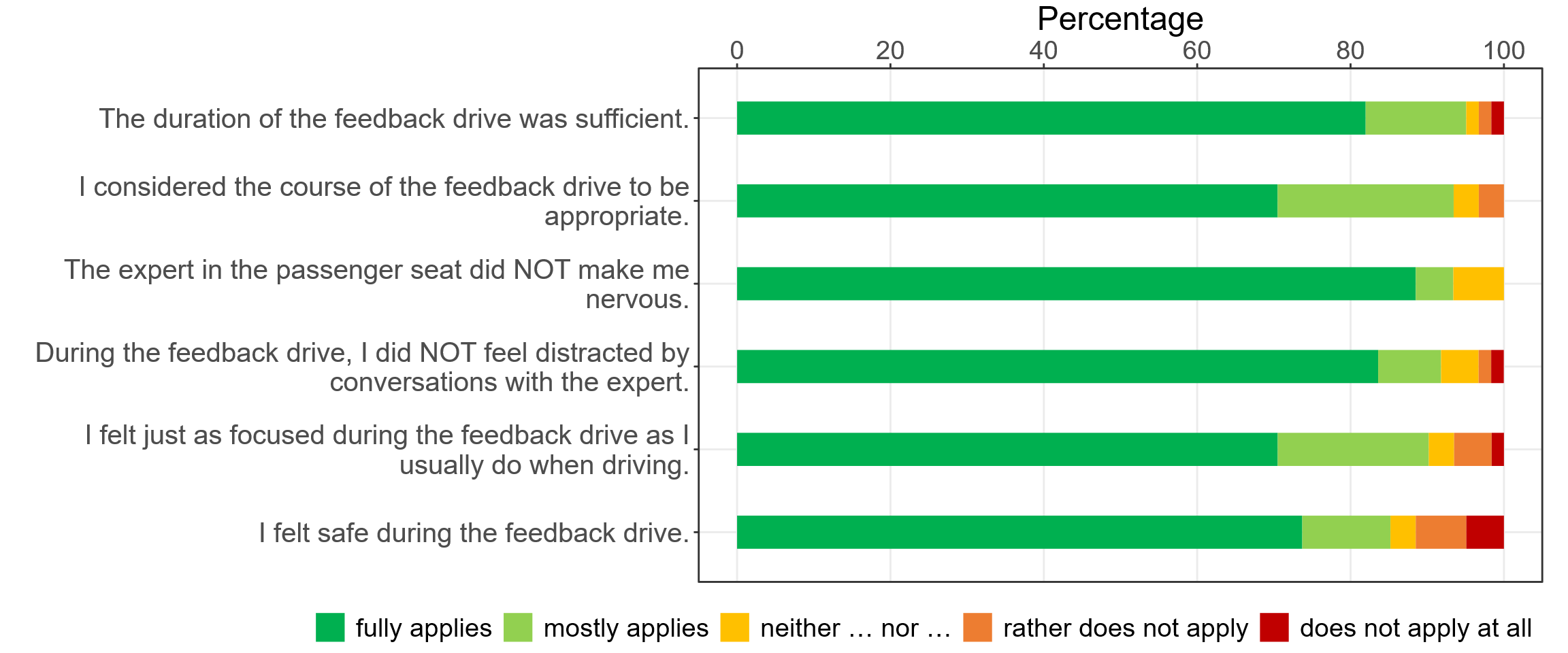
Over 90 % of participants considered the duration of the feedback drive sufficient and its structure appropriate (Figure 12). More than 80 % reported feeling safe and as focused as during their usual driving and judged the route’s demands to be comparable to those of their regular trips. None felt nervous due to the examiner’s presence in the passenger seat, and only about 5 % reported distraction from conversation with them.
Following the feedback drive, participants were asked whether they would be willing to undertake it again at a later point in time (e.g. in five years). In total, 96.7 % agreed, with 13.1 % of these participants making their agreement conditional (e.g. if they were still driving longer distances in five years’ time).
The vast majority of all participants regarded the feedback provided by the examiner as helpful, respectful, and appreciative (95.1 % each).
4. Discussion
The objective of these two studies was to examine the implementation, feasibility, and acceptance of the feedback drive for older drivers. The findings from both the pilot study (Study 1) and the evaluation of the refined concept (Study 2) are synthesised below, structured according to the three research questions.
4.1 Reliability and feasibility of the assessment method (RQ1)
In Study 1, especially the feasibility in general was tested. The aim was to determine if the methodological approach for novice drivers with the criteria of the driving task catalogue could also be applied to older drivers. While this initial approach proved fundamentally feasible, Study 2 examined the further-developed feedback drive to address methodological limitations. In Study 2, we tested a revised version of the tablet-based evaluation system called elFE for measuring driving competence among older drivers under real-world conditions. The aim was to determine whether the modifications to the driving task catalogue and the evaluation criteria also allow for the identification of behavioural difficulties commonly observed among older drivers. The results confirmed that the age-adjusted criteria of elFE allowed for a more realistic and fairer assessment of experienced drivers than the strict novice criteria.
4.2 Characterisation of driving competence among older drivers (RQ2)
Overall, the driving competence of older drivers was rated as very good. Despite some observed deficits, the majority were attested to be safe participants in traffic. A more specific analysis of the driving tasks showed that deficits occurred particularly in complex traffic situations like intersections, which is in line with previous studies (Kennter-Mabiala et al., 2016; Schlag et al., 2019; Uhr et al., 2016). Strauzenberg und Pohle (2023) demonstrated that older drivers experience more crashes caused by information overload as well as when turning left at intersections. Our participants showed a lack of traffic observation and did not adapt their speed accordingly when they crossed an intersection. Jänsch et al. (2015) showed that older drivers were involved in more crashes when crossing intersections or junctions and when turning than younger drivers. At intersections with traffic lights the participants did not position their car properly.
With regard to competence domains, it was found that difficulties were most evident in traffic observation and speed adaptation. Similarly, Karthaus et al. (2015) observed that older drivers most frequently showed deficiencies in traffic observation, for example when checking the blind spot, during lane changes, at complex junctions, and when turning left. Deficits in speed adaptation were frequently observed during straight-ahead driving, in most cases involving speeding violations. According to the examiners, some drivers appeared to overlook traffic signs; however, based on examiners’ observations, they suspected that these instances were more likely attributable to non-compliance with rules, as participants often maintained a somewhat sporty driving style irrespective of their age. According to Karthaus et al. (2025) a positive self-assessment like in our sample is associated with a tendency towards a risk-prone driving style which is accompanied by a deterioration in performance.
Nevertheless, the examiners confirmed that they felt safe during more than 90 % of the feedback drives and that they rated the competence of most drivers as very good. This positive evaluation may also be explained by the voluntary nature of participation, which likely resulted in a sample comprising predominantly fit drivers with few age-related limitations. It was therefore not surprising that most of the older drivers, compared with the prevalence in the age-specific reference population, exhibited relatively few health impairments (Charlton et al., 2010; Rudinger et al., 2015). Consequently, the average driving competence observed in these studies likely overestimates the true baseline of the general older driver population, meaning that the actual frequency of critical driving errors in daily traffic may be higher, which ultimately limits the generalisability of the findings. To address this limitation, future research should deliberately incorporate more impaired drivers.
4.3 Acceptance and evaluation of the feedback drive (RQ3)
Overall, the feedback drive was evaluated positively by the older participants. They considered the duration to be appropriate and the structure to be meaningful. Furthermore, they expressed high levels of satisfaction with the feedback provided by the examiner. The vast majority perceived the feedback as helpful and the communication by the examiner as respectful and appreciative. Thus, the principal objectives of the feedback drive, namely, to stimulate reflection on one’s own driving behaviour and to encourage modifications in specific aspects, were achieved for most participants.
A general problem of voluntary measures such as the feedback drive is, that mainly drivers participate, who would not actually require it, while those who recognise deficits in their own abilities tend to avoid such assessments (Brockmann, 2017). Fastenmeier et al. (2023) argued that the substantial improvements in driving behaviour observed in these groups suggest that less competent drivers possess a higher capacity for enhancement. This is corroborated by Poschadel et al. (2012), who reported that the most pronounced gains occurred among participants with the lowest baseline performance. Conversely, individuals with more severe impairments may lack the capacity to act upon the examiners’ instructions. Nevertheless, it is essential to provide enhanced information about the purpose and advantages of the feedback drive, as well as to communicate clearly that participation does not entail any consequences for the retention of the driving licence.
Furthermore, Fastenmeier et al. (2023) demonstrated that drivers over the age of 80 in particular benefit from this measure. Therefore, (repeated) participation at an advanced age is likewise recommended. To better reach the group of older drivers with more critical driving skills in the future, alternative recruitment channels should be explored. This could involve targeted cooperations with general practitioners, who can confidentially recommend the feedback drive to patients experiencing early-stage impairments. Additionally, integrating the measure into community senior centres or offering incentives via vehicle insurance companies could lower the barrier to entry and attract a more representative sample.
4.4 Limitations
The studies reported here have a few shortcomings and limitations regarding behavioural observation, implementation and evaluation methods.
A limitation is that driving performance was assessed in situ by a single examiner from a larger pool of examiners. Because the feedback drives occurred in real traffic without audio-visual recordings, retrospective verification was impossible, which introduces potential subjectivity and inter-rater reliability constraints. Furthermore, evaluating traffic observation relied entirely on the examiner's visual detection of head and mirror movements. Since visual observation alone cannot definitively verify whether a participant actively processed hazards, objective eye-tracking methodologies would have provided a more precise determination of attentional allocation, though this was logistically unfeasible within the scope of this field study.
Utilising participants' personal cars ensured operational familiarity and enhanced ecological validity by preventing errors caused by switching cars. Although these vehicles lacked dual controls, this approach is considered highly practicable by experts (Schleinitz et al., 2023). To mitigate safety risks for both examiners and participants, all vehicles underwent a preliminary roadworthiness check. Additionally, the feedback drives commenced in quiet areas to ensure a controlled progression from simple to complex traffic situations, with the protocol requiring immediate termination if severe driving deficits or behavioural risks emerged.
The statistical results presented are predominantly descriptive because the routes were non-standardised to allow examiners to adapt to local conditions, such as roadworks. Consequently, no definitive causal conclusions can be drawn regarding which specific situations pose the highest objective challenge to older drivers. To balance external validity and standardisation, Study 2 incorporated routes with specific challenging elements, such as frequent left turns and lane changes, which are recommended to effectively capture problematic driving behaviours in older cohorts (Karthaus & Falkenstein, 2016).
Feedback was administered retrospectively at the end of the drive rather than in real time. Although concurrent feedback can distract drivers from the immediate traffic situation, post-drive feedback allows participants to reflect safely on their performance (Schlag et al., 2019). However, due to data protection regulations and logistical constraints, this feedback lacked supplementary materials such as video playback. The absence of visually supported feedback may have limited the participants' ability to recall and fully comprehend specific driving errors.
Another conceptual limitation is that the evaluation metrics conflated objective driving capability with intentional rule-breaking. Minor offences, such as slight speeding or assertive driving behaviours, are often deliberate choices rather than reflections of cognitive or physical impairments. Therefore, strict test criteria may not accurately measure real-world driving safety. This distinction is crucial when interpreting the results, as it explains the contradiction between the majority of drivers receiving positive feedback and the finding that only 32% would pass a formal driving licence test.
Finally, the qualitative evaluations of driver fitness were reported freely by examiners rather than captured systematically. Consequently, the mention of a specific trait or impairment in a certain percentage of the sample does not imply its absence in the remaining cohort, thereby restricting the inferential interpretability of these qualitative findings. Additionally, conceptual improvements made to the feedback drive between Study 1 and Study 2 limit direct comparability. Nevertheless, the findings regarding driving competence remain highly consistent, and participants across both studies evaluated the feedback drive as highly beneficial and valuable.
4.5 Conclusions
In conclusion, the findings suggest that the feedback drive constitutes a feasible and reliable method for assessing the driving behaviour of older adults in real traffic, particularly when utilising an age-adjusted, tablet-based evaluation tool such as elFE (RQ1). Regarding the characterisation of driving competence, the findings indicate that while the majority of older participants exhibit generally safe driving behaviour, specific deficits frequently emerge in complex traffic situations requiring rapid information processing, predominantly concerning traffic observation and speed adaptation at intersections (RQ2). Finally, the voluntary feedback drive achieved high levels of acceptance and satisfaction among both participants and examiners. It proved to be a highly valued, non-punitive measure that effectively fosters self-reflection and supports the prolongation of safe, independent mobility without the threat of licensing restrictions (RQ3).
CRediT contribution
Katja Schleinitz: Conceptualization, Data curation, Formal analysis, Investigation, Methodology, Supervision, Writing – original draft. Patrick Bräutigam: Data curation, Formal analysis, Investigation, Visualization, Writing – review & editing. Lisa Pils: Conceptualization, Investigation. Lars Rößger: Conceptualization, Supervision, Writing – review & editing.
Declaration of competing interests
The authors have no competing interests to declare.
Declaration of generative AI use
During the preparation of this work the authors used Chat GPT in order to spell and grammar check the manuscript. After using this tool/service, the authors reviewed and edited the content as needed and take full responsibility for the content of the published article.
Prior dissemination declaration
An extended version of this work was also published as reports, https://fahrerlaubnis.tuev-dekra.de/en/#veroeffentlichungen Schleinitz K., Pils, L. & Bräutigam, P. (2023). Weiterentwicklung und Erprobung einer Fahrkompetenz-Rückmeldefahrt für ältere PKW-Fahrerinnen und PKW-Fahrer. TÜV | DEKRA arge tp 21. ISBN: 978-3-00-077518-5. Schleinitz, K., Rößger, L. & Berthold, J. (2020). Fahrkompetenz-Rückmeldefahrt für ältere Pkw-Fahrer. TÜV | DEKRA arge tp 21. ISBN: 978-3-00-064839-7.
Ethics statement
At the time of the research, the TÜV | DEKRA arge tp 21 GmbH or the DEKRA Automobil GmbH did not have a formal Institutional Review Board (IRB) or Ethics Committee. However, the study protocol was thoroughly reviewed and approved by the Works Council and the Legal Department of the institutions to ensure compliance with ethical guidelines, data protection regulations, and employee rights.
Funding statement
No external funding was used in this research.
Data availability statement
The data that support the findings of this study are available from TÜV | DEKRA arge tp 21 GmbH, but restrictions apply to the availability of these data, which were used under license for the current study, and so are not publicly available.
Code availability statement
Due to confidentiality restrictions and the proprietary nature of the software environment at TÜV | DEKRA arge tp 21 GmbH, the source code underlying this work cannot be made available.
Editorial information
Handling editor: Mette Møller, Technical University of Denmark (DTU), Denmark.
Reviewers: Désirée Hagmann, Zurich University of Applied Sciences (ZHAW), Switzerland; Josephine Halama, Chemnitz University of Technology, Germany.
The handling editor takes full responsibility for the final acceptance decision. The editor's decision may differ from the recommendation made by one or more reviewers.
Submitted: 21 April 2026; Accepted: 19 October 2026; Published: 13 November 2026.